
Digitalization
Traditional project management methodologies contribute to insufficient process transparency by limiting the effectiveness of planning and control systems. The challenge of insufficient process transparency in construction projects can lead to a cascade of issues, including suboptimal communication and coordination, ineffective decision-making, unsafe work environments, and execution delays.
Assumptions that tasks will proceed as planned without considering real-time feedback on feasibility often lead to execution delays and the need for costly rescheduling. GHL’s approach eliminates these pain points through systematic visual management.
Digitalization stands as a pivotal element in the realm of design management and project delivery. Leveraging an array of technologies such as Building Information Modeling, cloud computing, Virtual Construction, and Augmented Reality, our team adeptly manages design and delivery throughout the entire project lifecycle.
The integration of Digitalization and BIM into our infrastructure management system offers numerous benefits: enhanced visualization capabilities facilitate better decision-making processes; the risk of data loss and errors is significantly reduced; communication channels are streamlined, leading to more efficient problem-solving strategies; and tracking project progress and maintaining accountability becomes effortless.
Virtual Construction
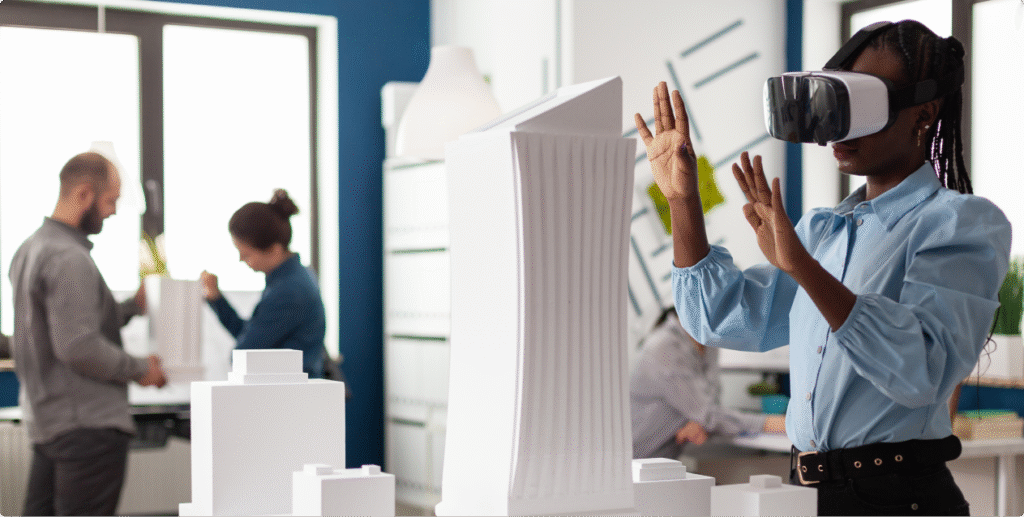
GHL employs Virtual Construction as a comprehensive digital methodology that simulates the entire construction process before physical work begins. This advanced approach integrates Building Information Modeling (BIM), 4D (time) and 5D (cost) simulations, precise construction sequencing, automated clash detection, and detailed cost analysis to identify and resolve potential issues in the digital realm, where changes are inexpensive and efficient.

Building Information Model / Digital Twins
GHL extends Building Information Modeling (BIM) beyond traditional construction phases into comprehensive operational management through advanced Digital Twin technology. This approach creates a living digital replica of physical assets that continuously updates with real-time data, enabling predictive maintenance, performance optimization, and robust lifecycle management throughout the building’s operational life.
Augmented Reality
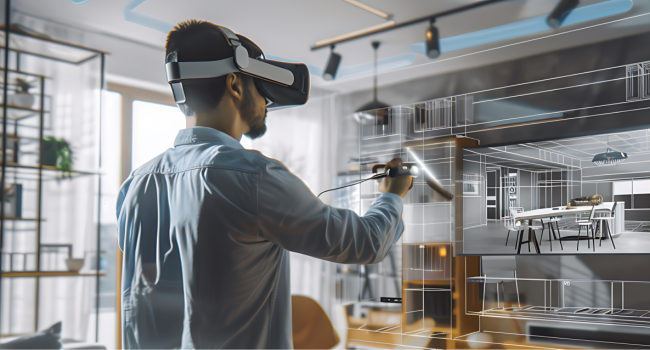
GHL leverages Augmented Reality technology to bridge the gap between digital design and physical construction, enabling stakeholders to visualize projects in real-world contexts before breaking ground. This transformative approach enhances collaboration, reduces errors, and provides unprecedented clarity throughout the project lifecycle.
Design for Manufacturing & Assembly
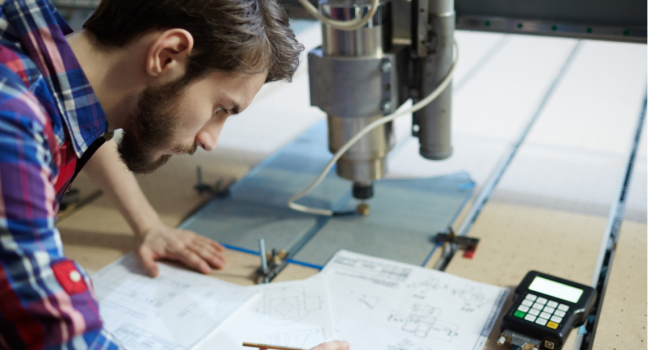
Design for Manufacturing and Assembly (DfMA) is a systematic approach that optimizes product design for efficient manufacturing and assembly processes. By applying DfMA principles, GHL significantly reduces construction time, minimizes costs and waste, and enhances overall quality and safety across our projects. We integrate DfMA throughout the entire project lifecycle, from initial conceptual design to final delivery, ensuring every component is optimized for streamlined production and installation.